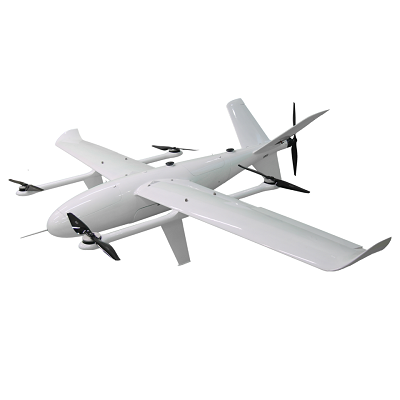
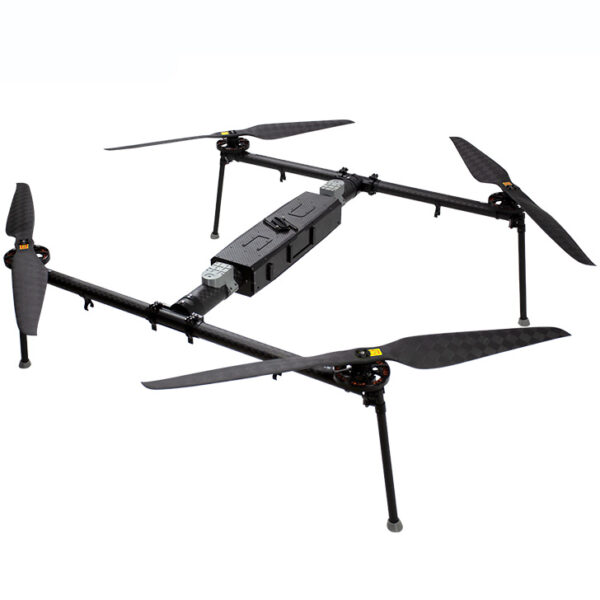
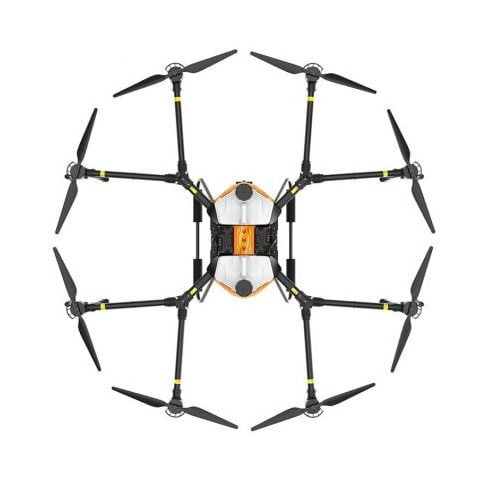
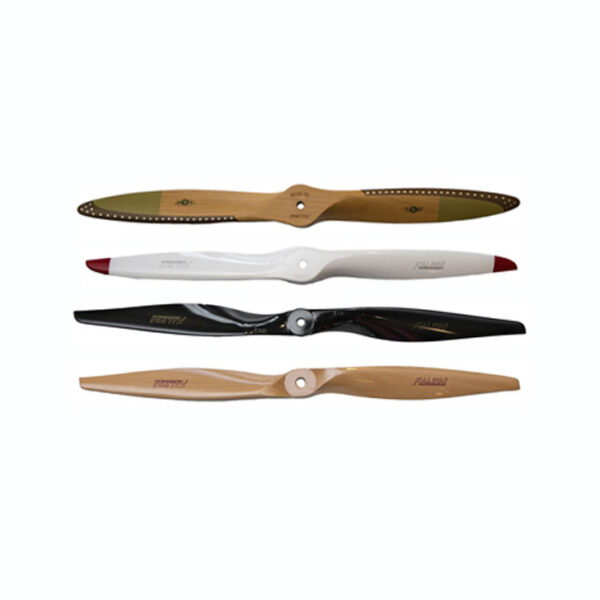
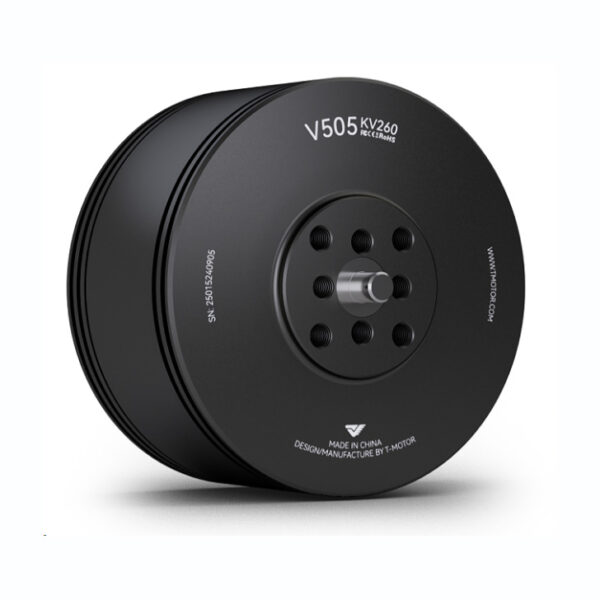
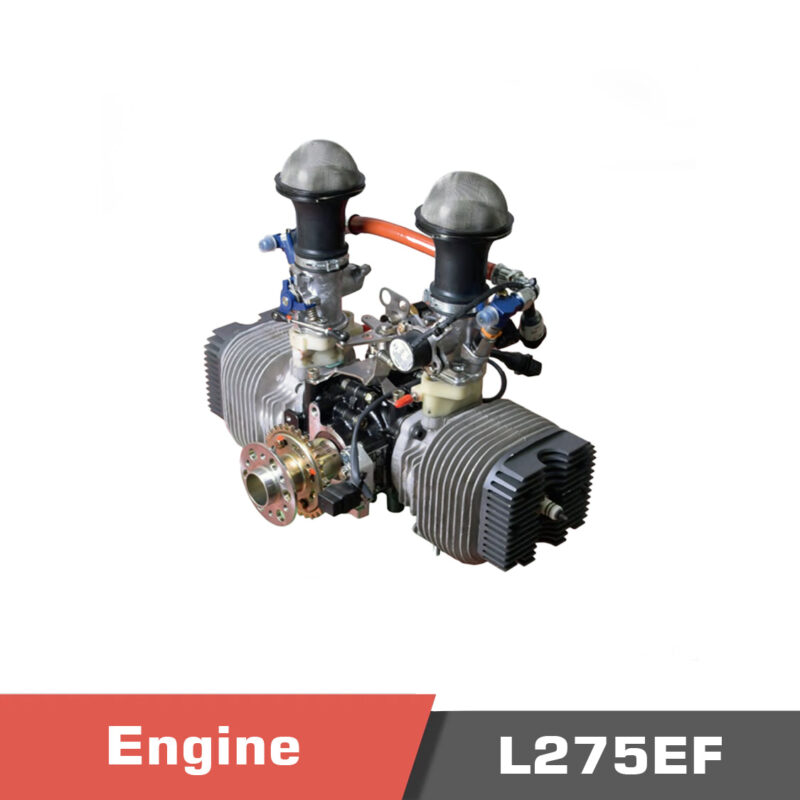
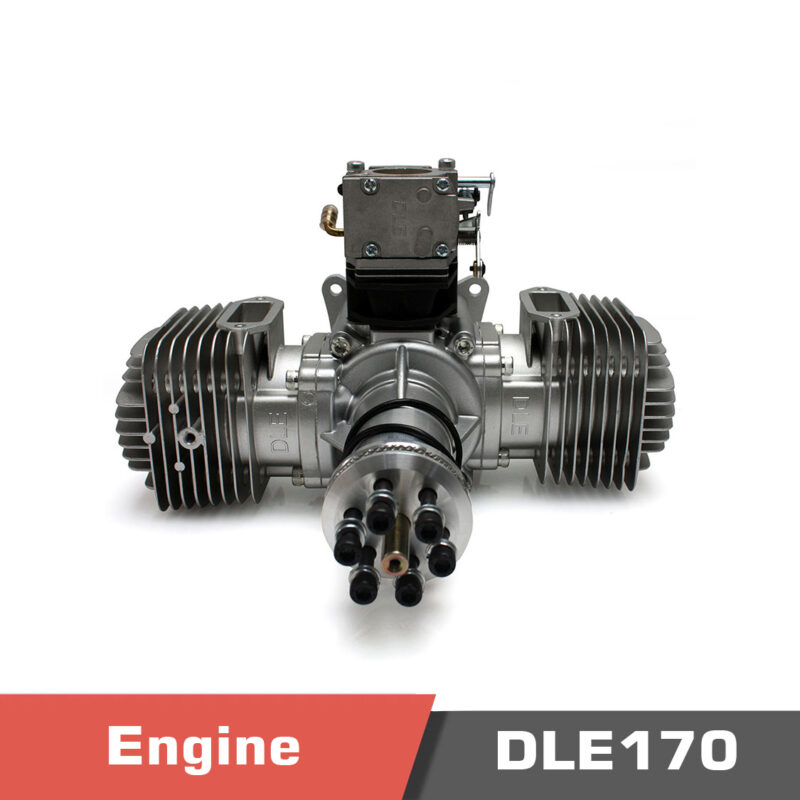
Buy EFT Z30 & Z50 Agricultural Drone Frames UAV Online
Buy EFT Z30 & Z50 Agricultural Drone Frames UAV Online Price range: $4,000.00 through $5,000.00
Back to products
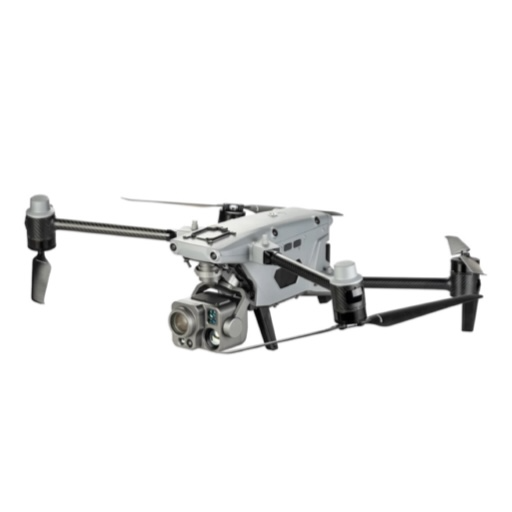
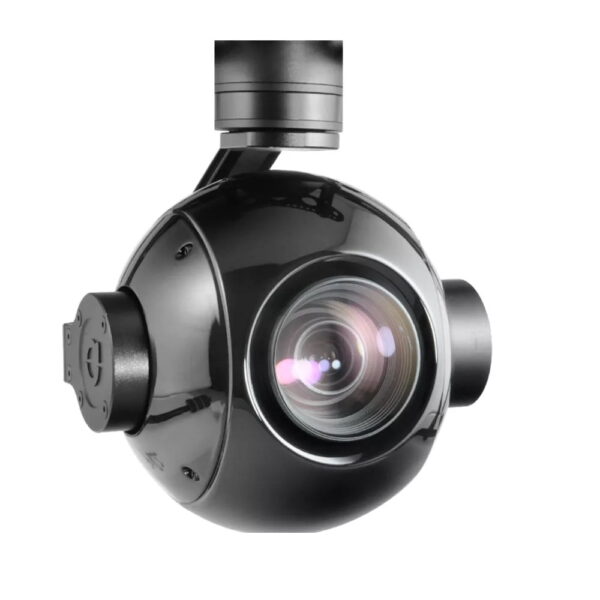
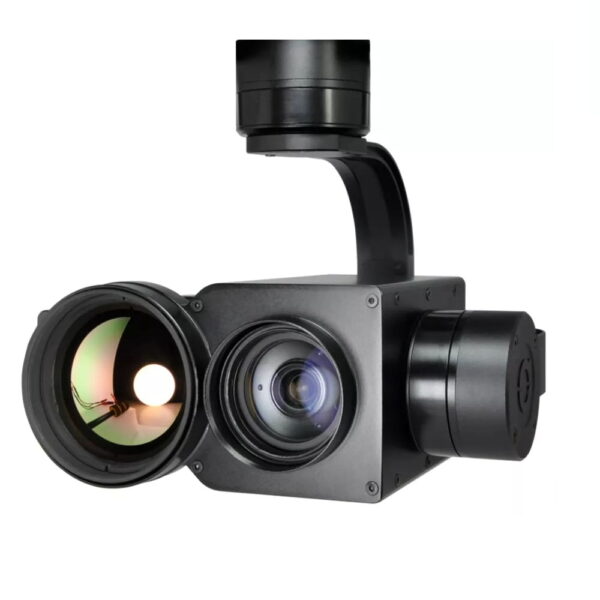
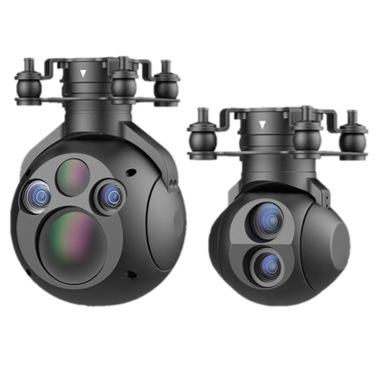
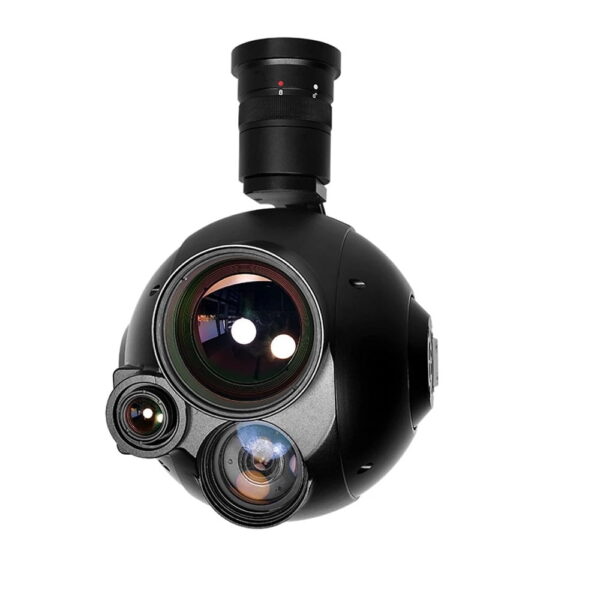
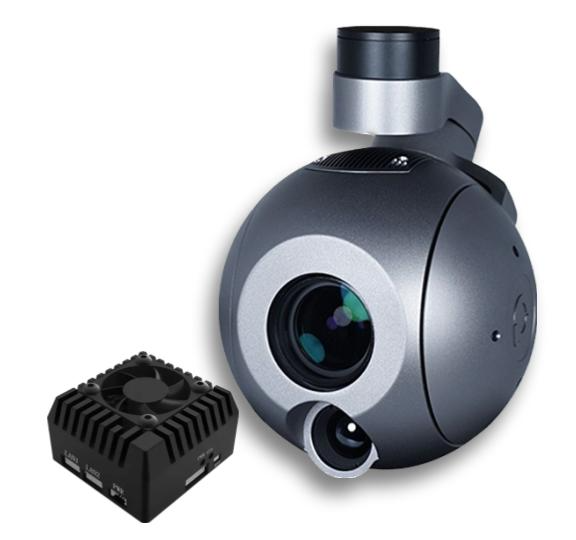
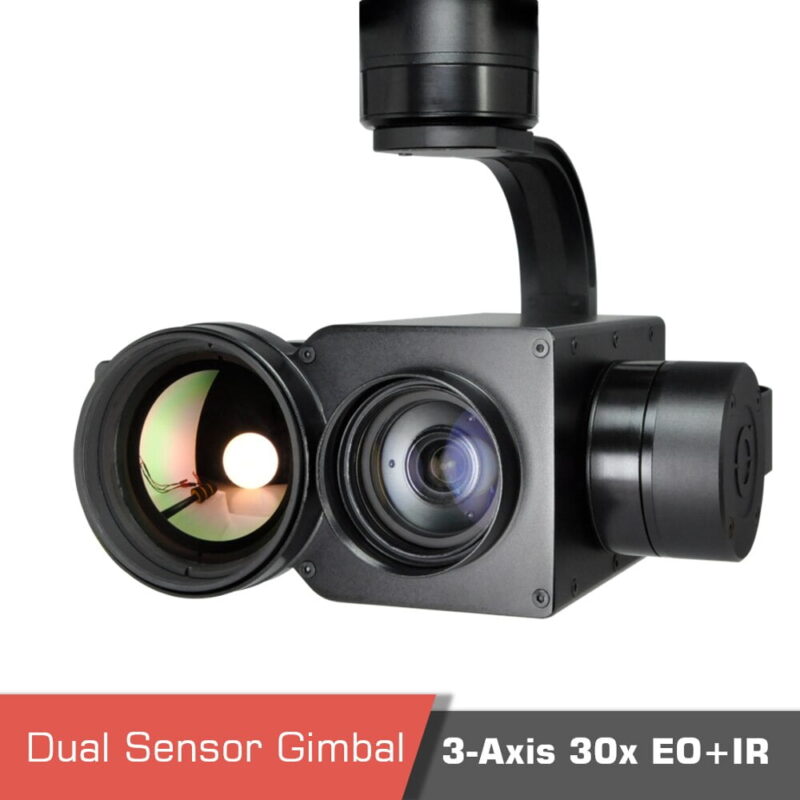
Buy 30x Starlight Gimbal Camera for Drone Online
Buy 30x Starlight Gimbal Camera for Drone Online Price range: $4,199.00 through $8,999.00

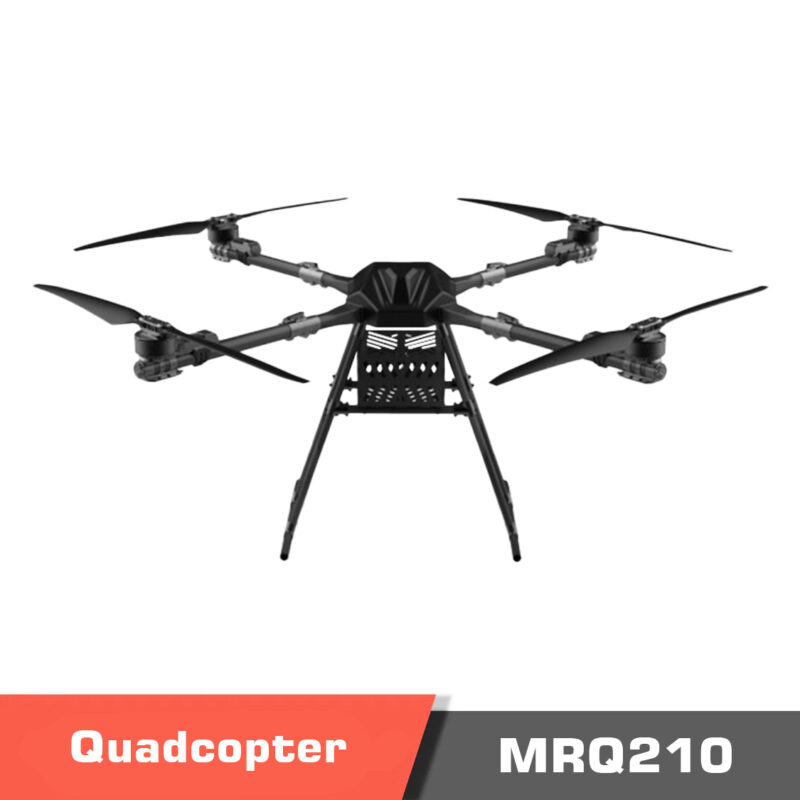
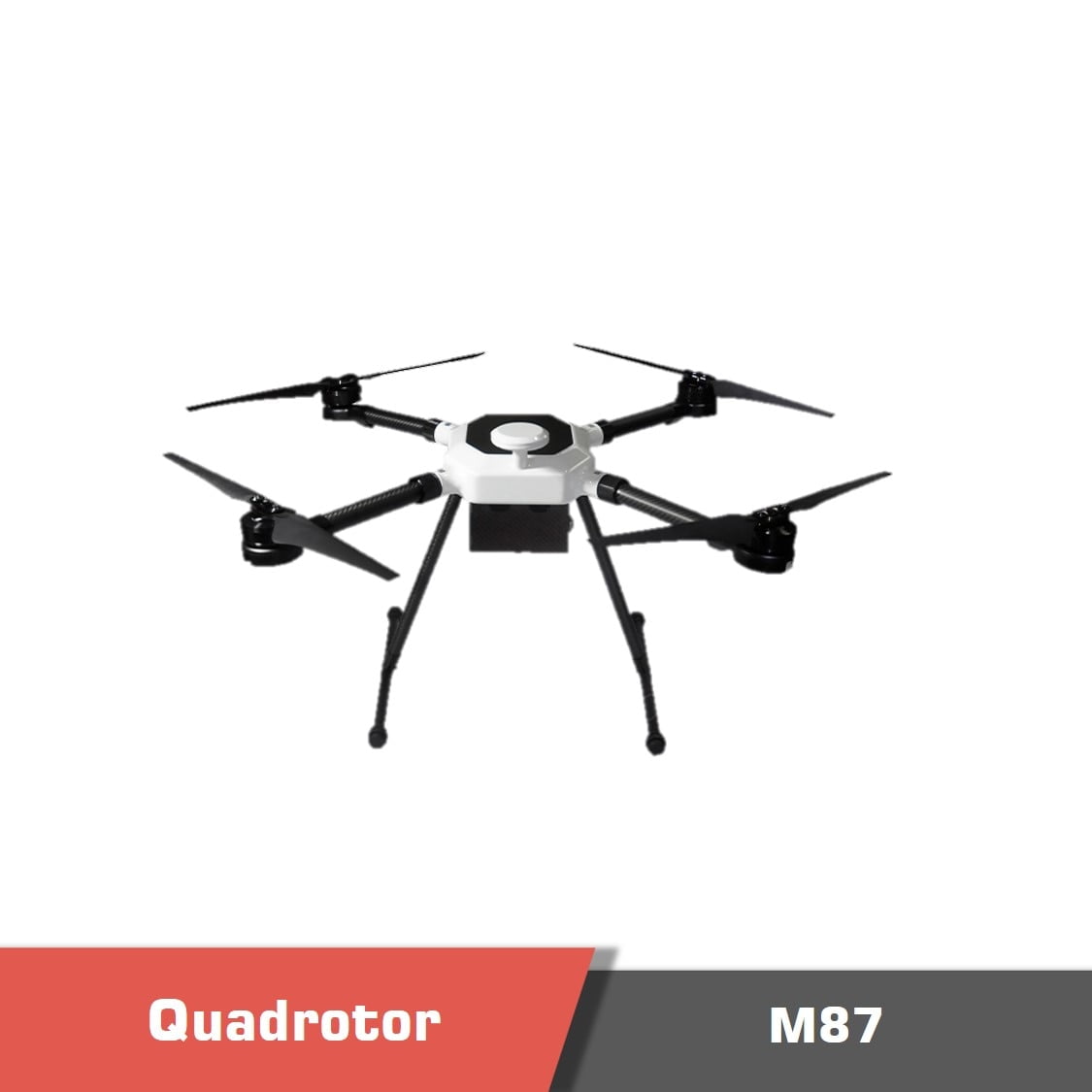
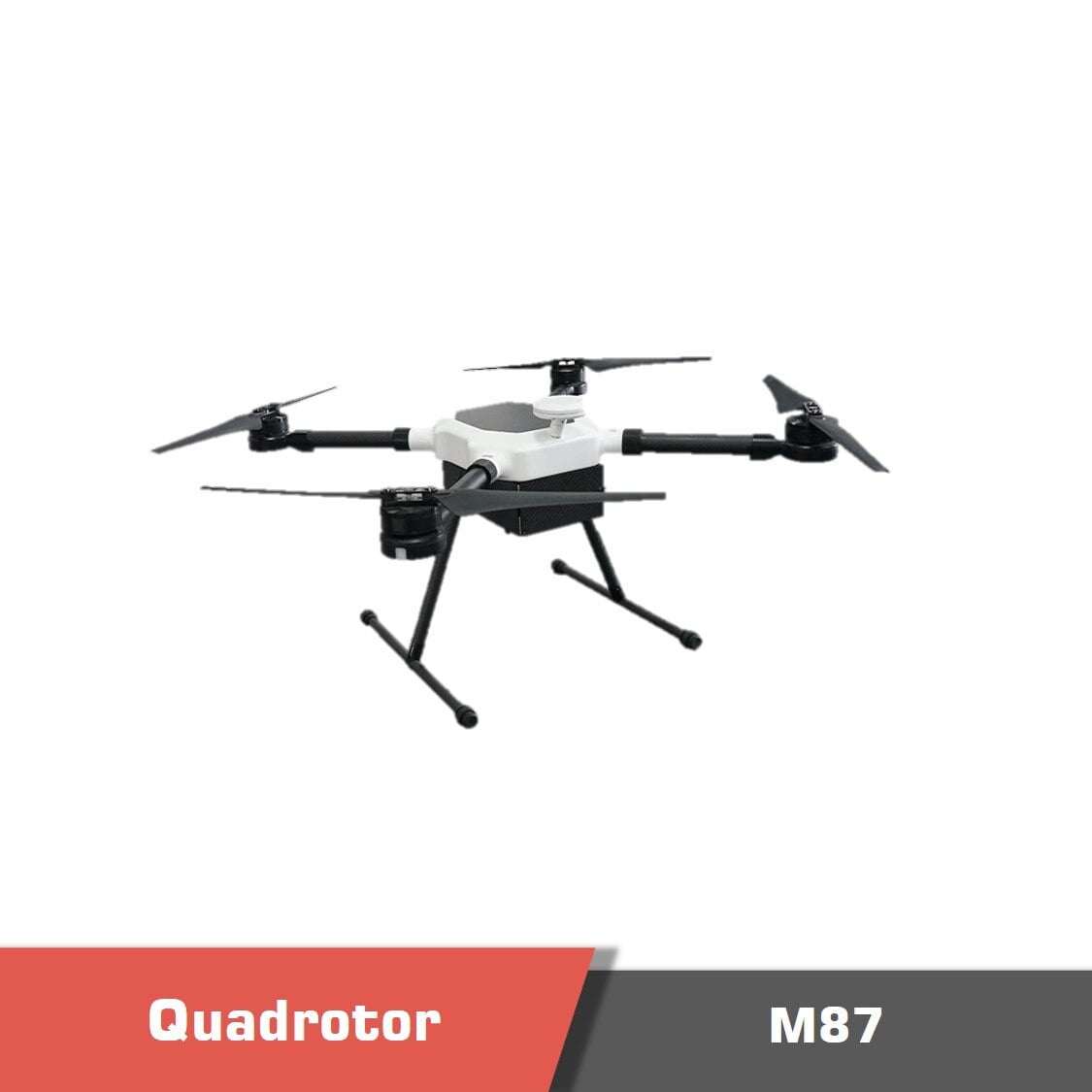
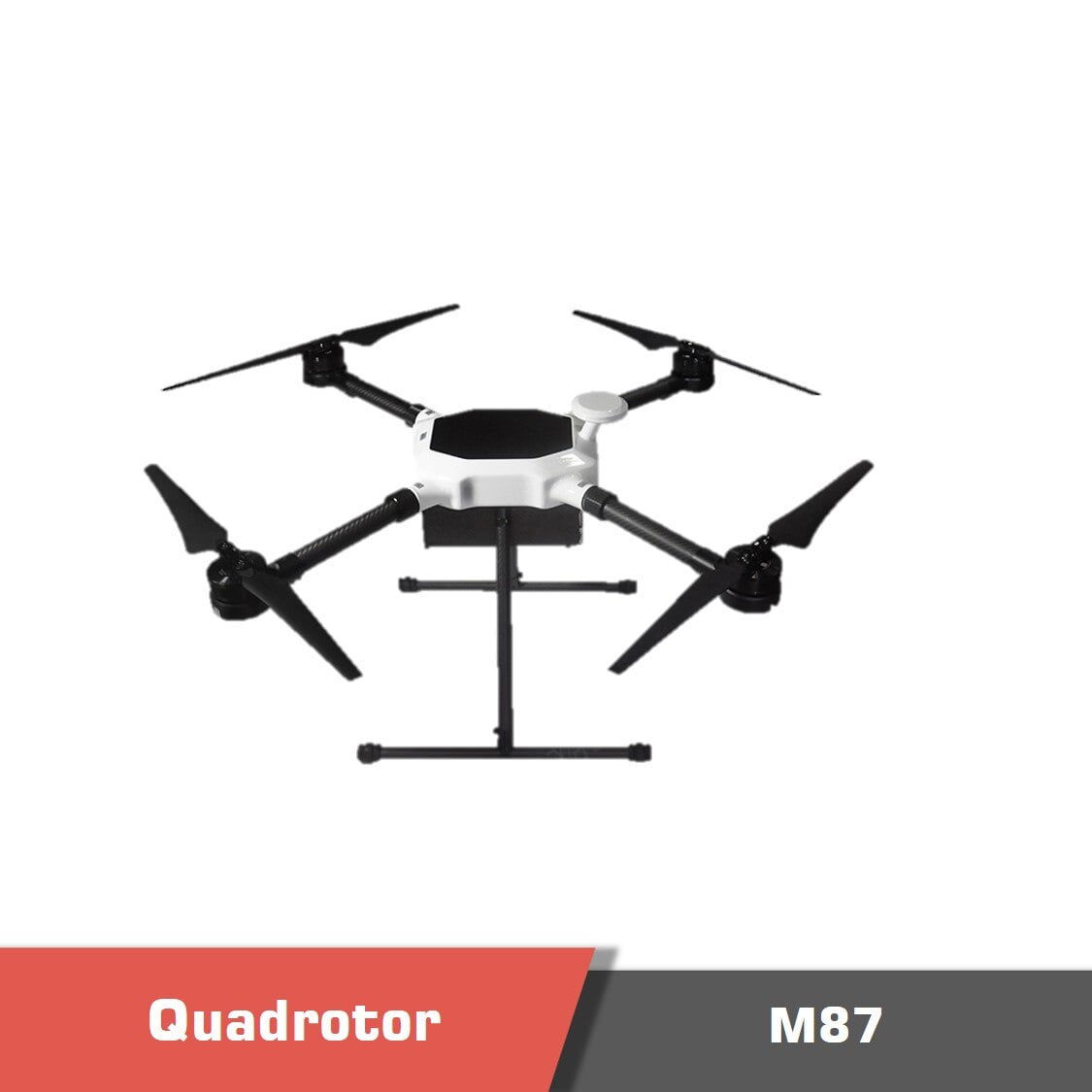
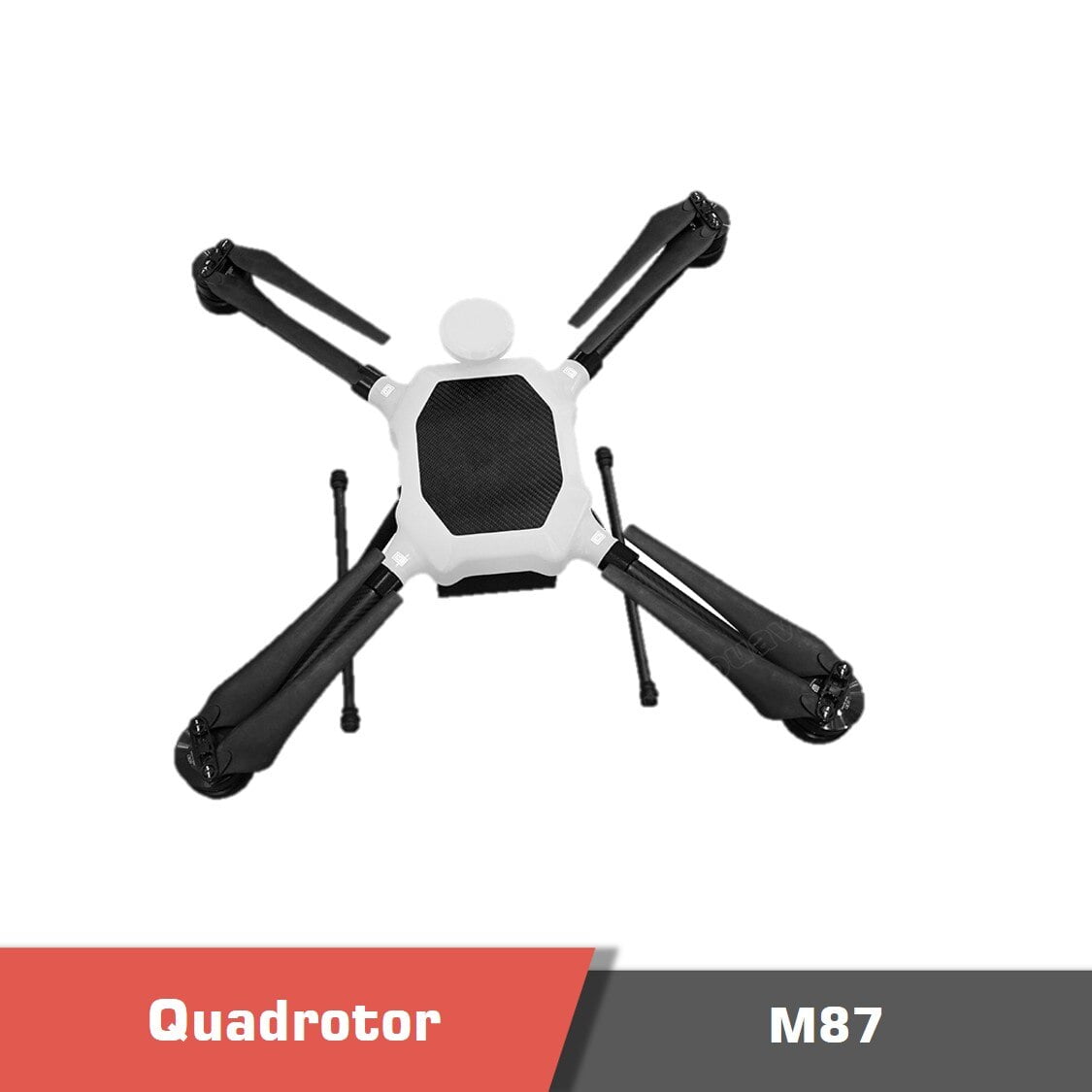
Buy M87 Lightweight Quadrotor Rotary-wing UAV Online

Price range: $1,368.50 through $2,047.00

 M87 Lightweight Quadrotor Rotary-wing UAV For Sale Online

Professional UAV - ARIE - Aviation Industry Corporation Of China - civil defense / rotary wing / electric motor

Important Notice! If your company intends to export UAV products from USA, it is necessary to comply with American regulations. Kratos Defense Drone Shop products cannot be used for military, terrorist, or war purposes. Please read our Terms of Service for more information. Key Features of the M87 Lightweight…

ColorAirframe Only, Frame DJI E2000 P
Description

Buy M87 Lightweight Quadrotor Rotary-wing UAV Online

Buy M87 Lightweight Quadrotor Rotary-wing UAV Online

Buy M87 Lightweight Quadrotor Rotary-wing UAV Online

What is a Multirotor Drone?

Before we dive into comparisons and buying advice, let’s start with the basics. What actually is a multirotor drone?

A multirotor (also called a multicopter) is a rotorcraft with more than two lift-generating rotors. In plain English, it’s a drone that stays in the air using three or more spinning propellers mounted on arms.

The most common configurations you’ll encounter are quadcopters (four rotors), hexacopters (six rotors), and octocopters (eight rotors).

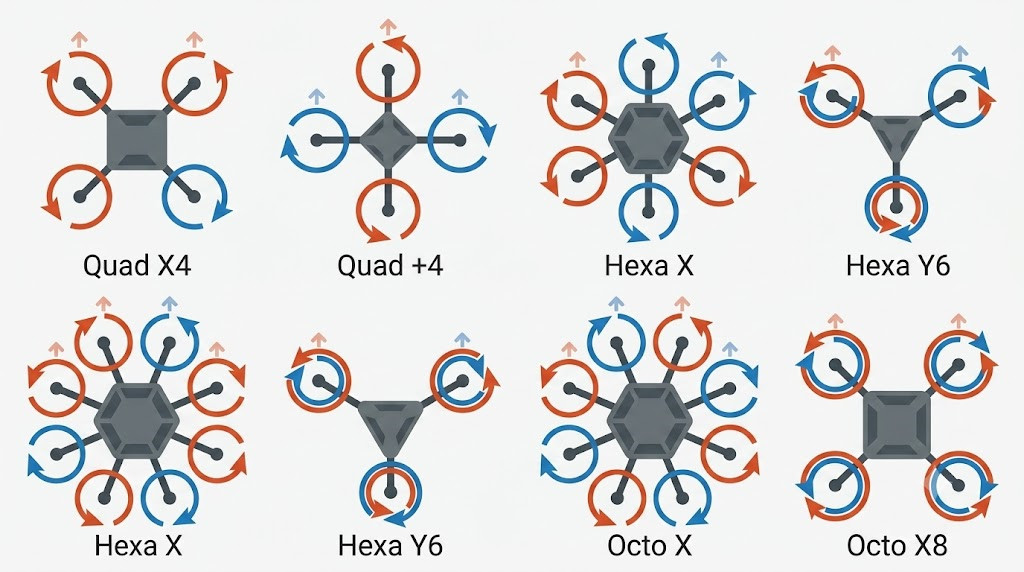
There are also less common variants like tricopters (three rotors) and specialized coaxial designs like the X8 (which looks like a quadcopter but has eight rotors—two on each arm, spinning in opposite directions). We’ll cover those in more detail later.

Unlike a traditional helicopter with its complex swashplate and variable-pitch rotor system, a multirotor uses fixed-pitch propellers and varies motor speed to control flight. This makes multirotors easier to build, easier to control, and — critically — easier for beginners to learn.

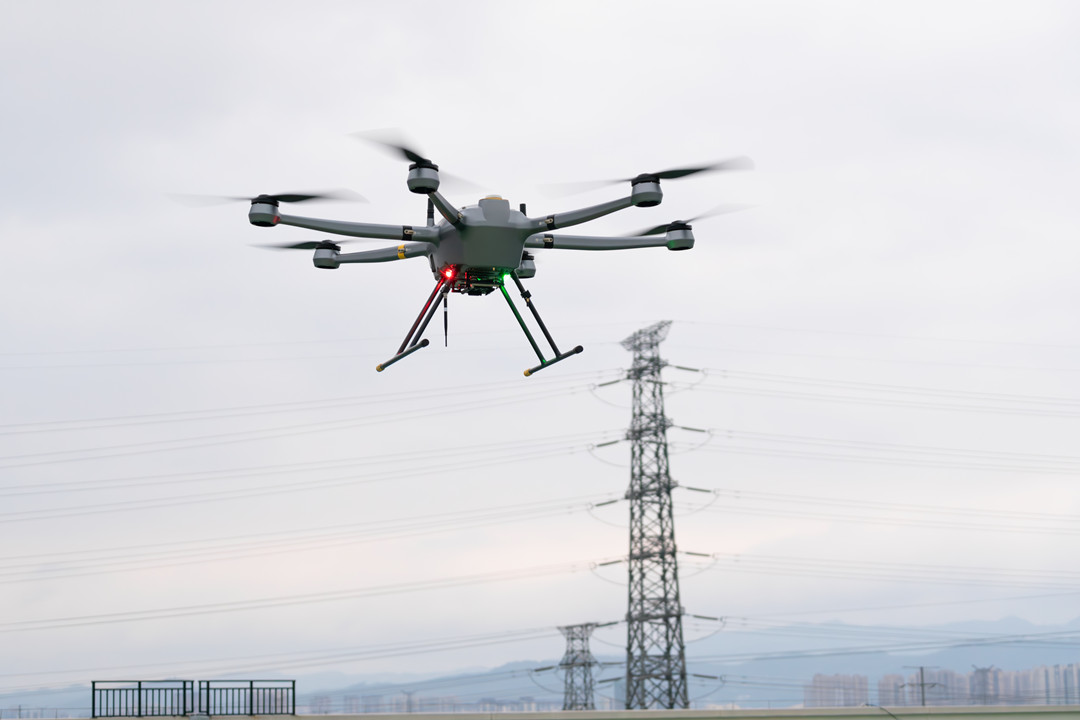
Drone inspection for Energy Industry

Buy M87 Lightweight Quadrotor Rotary-wing UAV Online

How Does a Multirotor Drone Work?

A multirotor looks like it’s doing something simple—hovering, moving forward, or turning. But behind that simplicity is a carefully orchestrated balance of forces.

Unlike a traditional helicopter with its complex swashplate and variable-pitch rotors, a multirotor uses a much simpler approach: fixed-pitch blades and variable motor speed. Instead of changing the angle of the blades, it just spins them faster or slower.
Let’s break down how that actually works.

The Core Problem — Torque

Every spinning propeller generates two things: lift (upward force) and torque (rotational force that tries to spin the aircraft in the opposite direction).

If all rotors spun in the same direction, the drone would spin uncontrollably. That’s why multirotors use counter-rotating propellers—half spin clockwise, half spin counterclockwise. The torques cancel each other out, keeping the drone stable.

How do different types of multirotor drones work

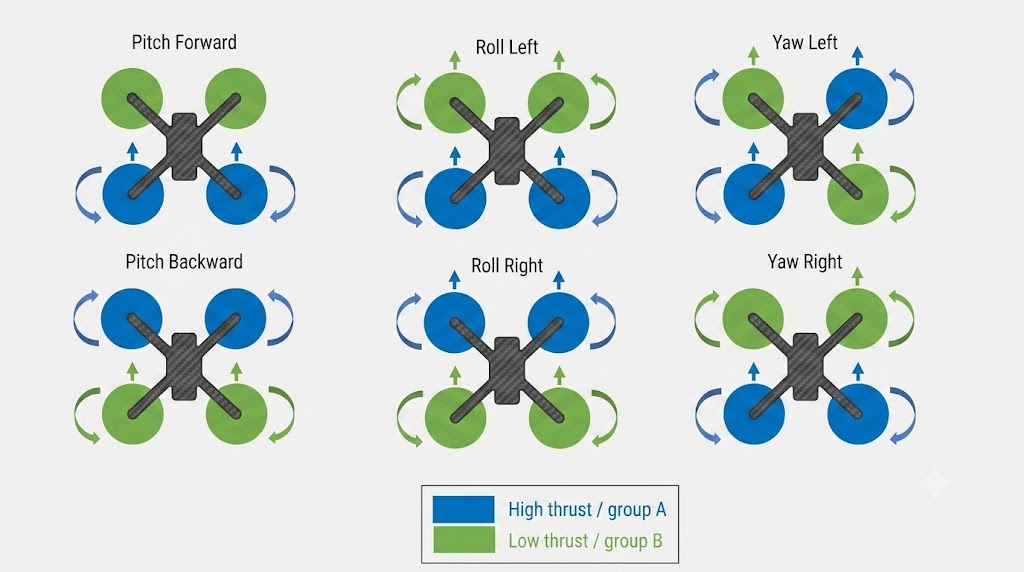
The Four Basic Movements

A multirotor controls its motion by changing the speed of individual rotors. Here’s how each movement works:

  • Hover: All rotors spin at the same speed. Lift exactly balances the drone’s weight. The drone stays in place.
  • Pitch (tilt forward/backward): Rotors on one side speed up, and the opposite side slows down. The drone tilts. The thrust vector now points at an angle, creating horizontal movement.
  • Roll (tilt left/right): Same principle, applied to the left-right axis.
  • Yaw (rotate left/right): Here’s the clever part. Remember torque? By speeding up the clockwise rotors and slowing down the counterclockwise rotors (or vice versa), the net torque is no longer zero. The drone rotates.

How do quadcopters drone move

The Brain Behind It All — The Flight Controller

All of this — the constant adjustments, the torque balancing, the split-second responses to wind and pilot input — happens automatically. That’s the flight controller’s job.

The flight controller reads data from sensors (gyroscope and accelerometer) hundreds of times per second. It compares what the drone is actually doing to what the pilot wants it to do. Then it calculates exactly how much to adjust each motor and sends those commands to the ESCs (Electronic Speed Controllers), which regulate motor speed.

This all happens so fast, you never see it—just a drone that stays stable and responsive no matter what you ask it to do.

Types of Multirotor Drones

Multirotors come in many flavors, and the number of rotors isn’t just for show. Each configuration represents a different set of trade-offs between cost, payload capacity, flight time, and safety.

Let’s walk through the main types, from the simplest to the most capable.

Tricopter (3 Rotors)—The Rare Breed

The tricopter is the odd one out. With only three rotors, it’s the simplest multirotor design — and the least common.
How it works: Unlike quadcopters that cancel torque with counter-rotating pairs, a tricopter uses a servo to tilt one of its rear motors. This provides yaw control.

Pros:

  • Easy and affordable to build
  • Reduced airframe drag
  • Better maneuverability than other multirotors

Cons:

  • Less stable than quadcopters or hexacopters
  • No motor redundancy — one failure means a crash
  • More difficult to balance the center of gravity

Where you’ll find them: Tricopters were more popular in the early days of DIY drone building when brushless motors were scarce and expensive. Today, they’re a niche curiosity—interesting from an engineering perspective, but rarely used in commercial or industrial applications.
Tricopter

Buy M87 Lightweight Quadrotor Rotary-wing UAV Online

Quadcopter (4 Rotors)—The Industry Standard

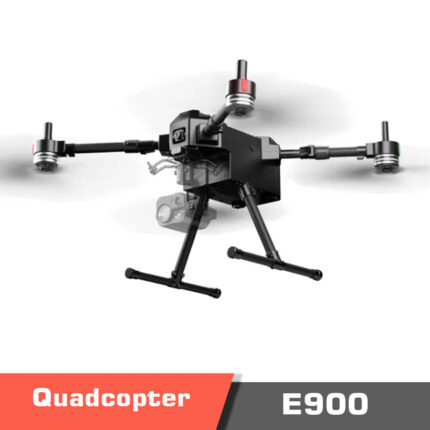
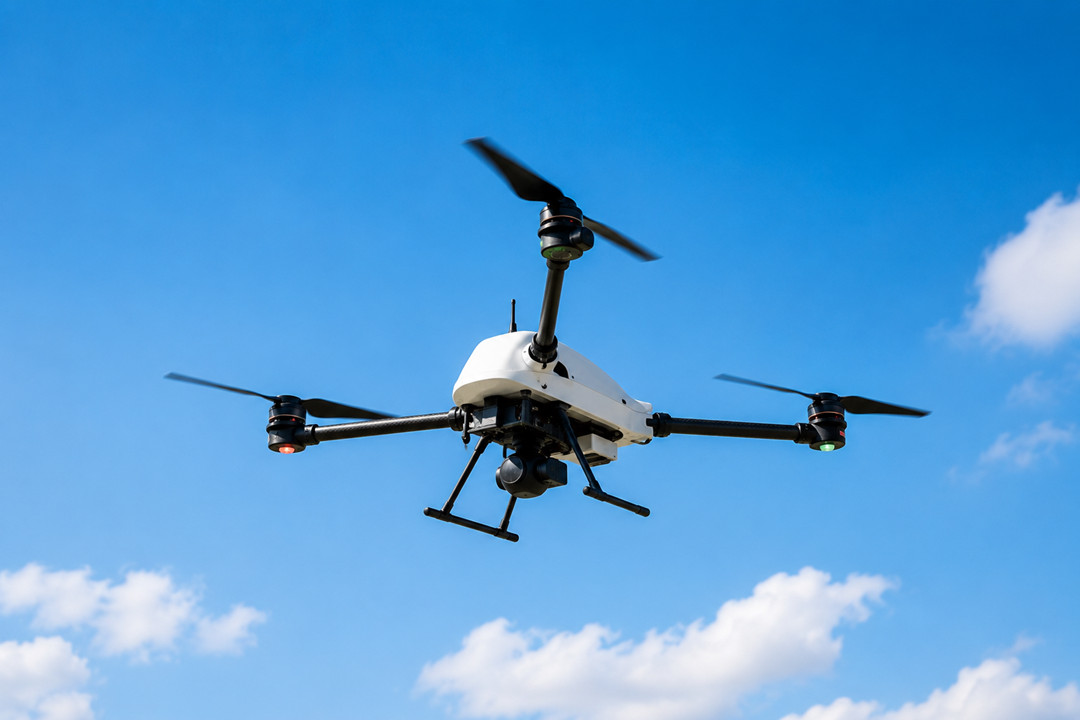
The quadcopter is the drone configuration you’ve seen a thousand times. Four rotors, arranged in a square or X pattern, with two spinning clockwise and two counterclockwise. It’s the default choice for everything from $50 toys to $20,000 enterprise platforms.

Why it dominates: The quadcopter hits a sweet spot. It’s mechanically simple, relatively affordable, and performs well across a wide range of tasks.

Pros:

  • Simple design, easy to build and maintain
  • Lightweight and portable
  • Affordable—commercial quads typically range from $2,000 to $20,000
  • Good wind stability (5-7 level wind resistance)
  • Flight time around 30 minutes with a typical payload

Cons:

  • No redundancy—if one motor or ESC fails, the quadcopter crashes. Period. There is no recovery.
  • Limited payload capacity compared to hexacopters or octocopters

Best for: Aerial photography, lightweight inspections, rapid deployment, and any mission where portability and cost matter more than payload or redundancy.

Configurations: Quadcopters come in two main layouts: the X configuration (front between two arms — the most common, seen on DJI Phantoms) and the + configuration (front on an arm, favored by some acrobatic pilots).
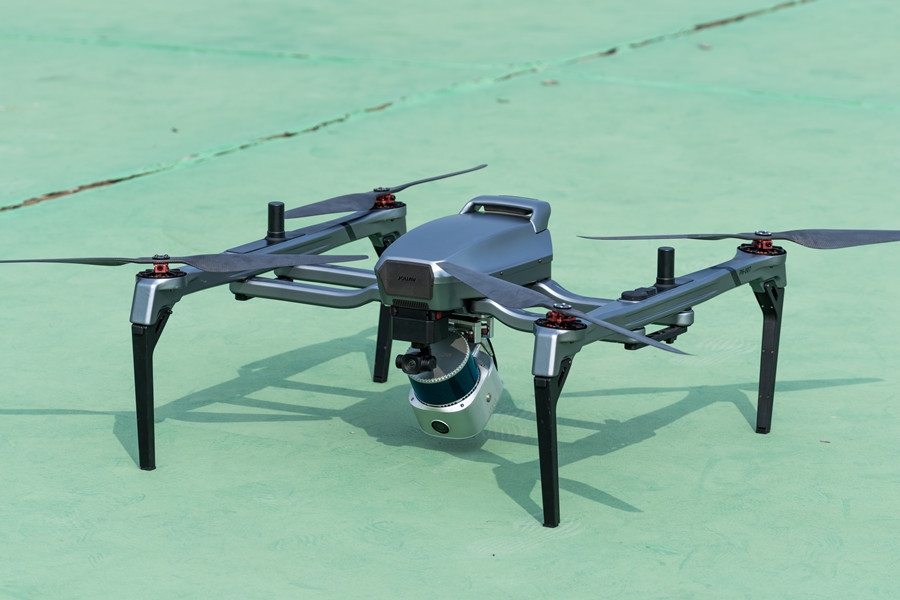
PH-007 on the ground

Buy M87 Lightweight Quadrotor Rotary-wing UAV Online

Hexacopter (6 Rotors)—The Professional’s Choice

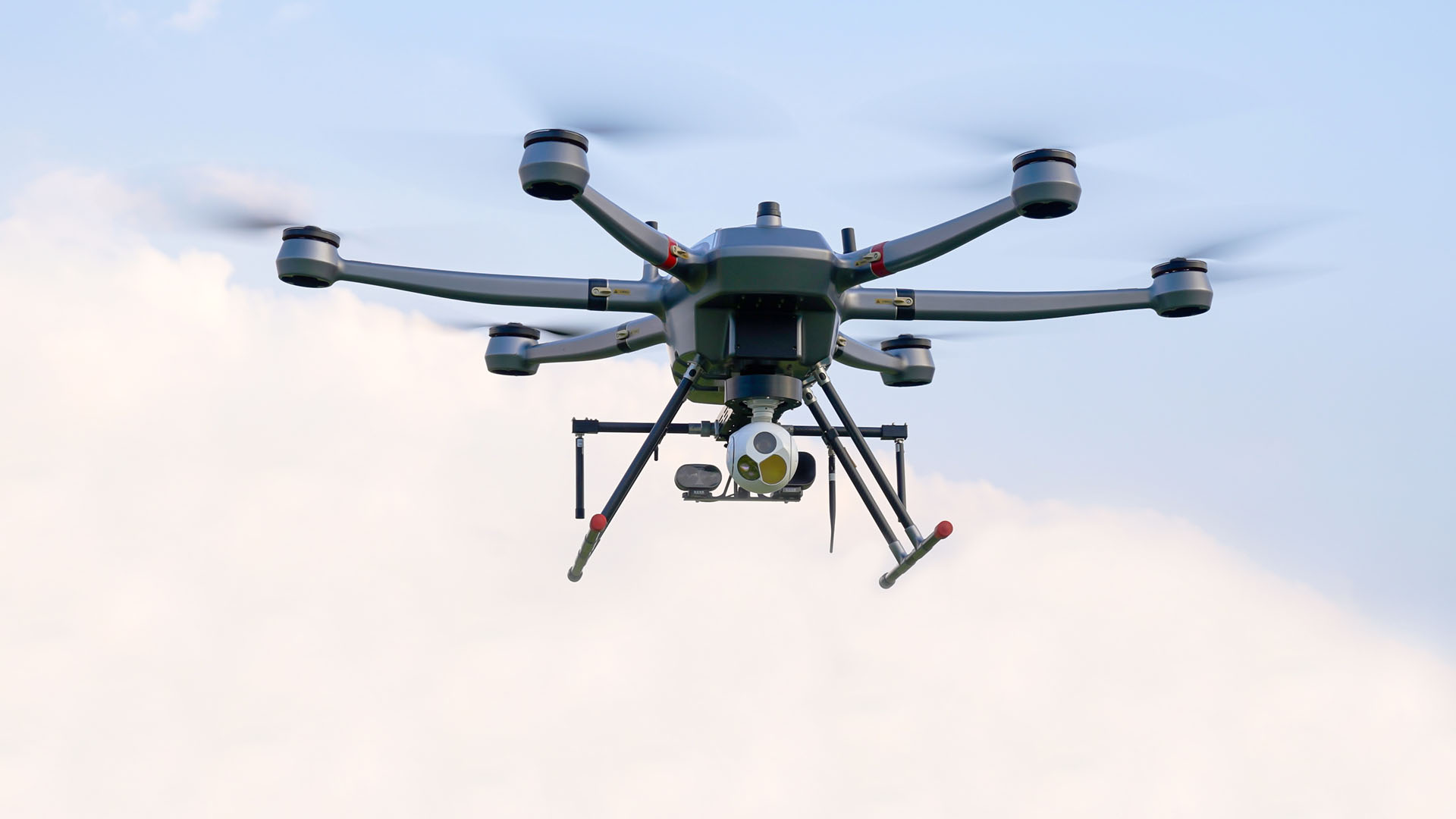
Add two more rotors, and you get a hexacopter. Six motors are arranged in a hexagonal pattern, three spinning clockwise and three counterclockwise.

What makes it special? The hexacopter is the first configuration on this list that offers motor redundancy—if one motor fails, the flight controller can compensate and the drone can still fly (or at least execute a controlled landing).

Pros:

  • Motor redundancy — can fly with five of six motors
  • Higher payload capacity than quadcopters
  • More stable and smoother in flight
  • Better suited for heavy mission payloads like LiDAR, thermal sensors, and multispectral cameras

Cons:

  • More expensive—roughly 40–60% higher cost than an equivalent quad
  • Heavier (+20–30%)
  • More complex to build and maintain
  • Slightly less efficient due to the weight of extra motors and ESCs

The payload math: A hexacopter with six motors producing 1.2 kg of thrust each delivers 7.2 kg total thrust. An equivalent quad with four of the same motors delivers only 4.8 kg. For payloads above 500 g, the hexacopter actually becomes more efficient than a quad—the extra motors are carrying their own weight and more.

Best for: Professional cinematography, LiDAR mapping, public safety, agriculture, and any mission where you’re carrying expensive payloads and can’t afford to crash. The JOUAV PH-20 is a strong example—a heavy-lift hexacopter with a 10 kg payload, 55 min flight time with full capacity, and IP45-rated durability for industrial missions.
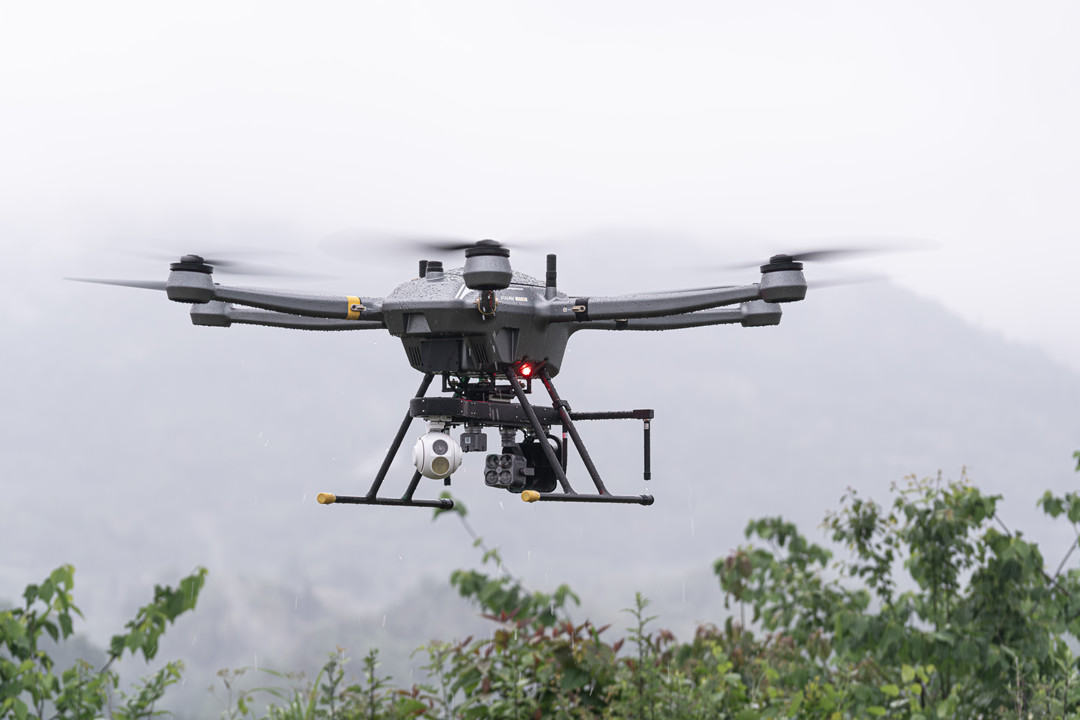
JOUAV PH-20 flying in the rain

Buy M87 Lightweight Quadrotor Rotary-wing UAV Online

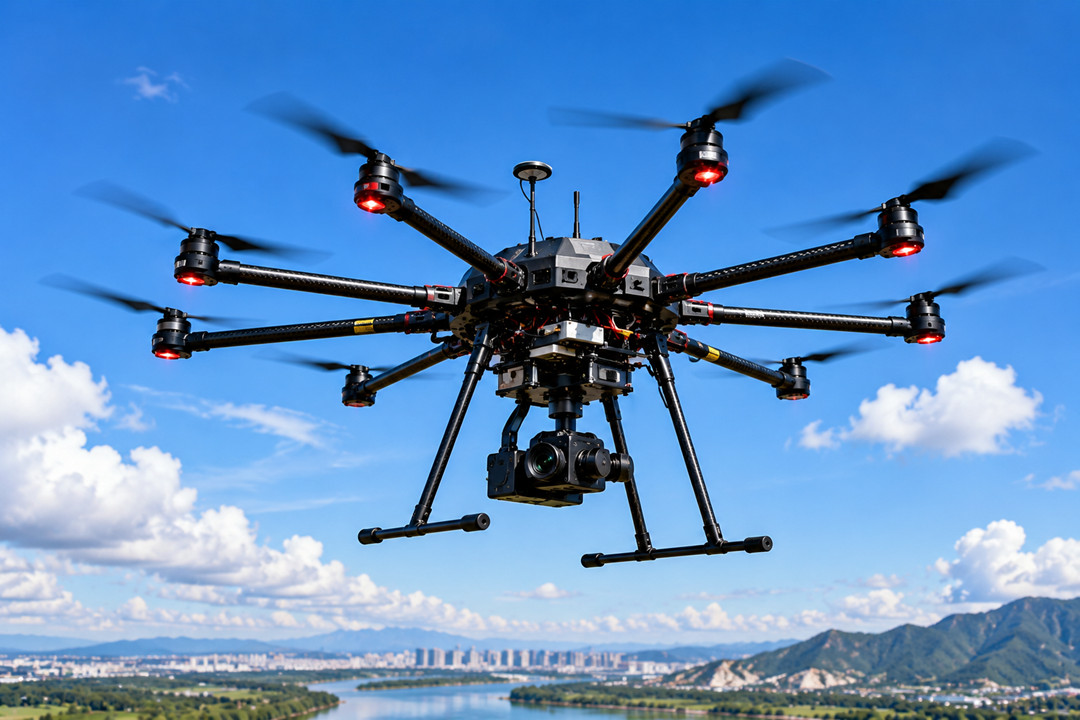
Octocopter (8 Rotors)—Maximum Redundancy, Maximum Payload

Eight rotors. Eight motors. Eight ESCs. The octocopter is the heavy lifter of the multirotor world.

Pros:

  • Dual motor redundancy—can continue flying even after two motor failures
  • Highest payload capacity—some platforms carry 50–70 kg
  • Exceptional stability
  • Excellent handling in high wind

Cons:

  • Expensive
  • Heavy and less efficient
  • Complex maintenance
  • Higher battery requirements

Real-world examples: The ATLAS 8 octocopter carries 50–60 kg payloads for cargo delivery. The Malloy T-150 is used by militaries to deliver ammunition and medical supplies to frontline positions. ASW’s Heavy Lift Multirotor (HLM) octocopter carries 66 lbs (30 kg) and is built from aircraft-grade carbon fiber.

Best for: Heavy-lift cargo delivery, military logistics, firefighting, and any mission that demands maximum payload capacity and redundancy.
Buy M87 Lightweight Quadrotor Rotary-wing UAV Online

Buy M87 Lightweight Quadrotor Rotary-wing UAV

X8 Coaxial—The Compact Heavy Lifter

The X8 looks like a quadcopter—four arms—but each arm carries two motors, one on top and one on bottom, spinning in opposite directions. That’s eight motors total, packed into a quadcopter-sized frame.

Why choose X8 over a flat octocopter? The X8 delivers the lift and redundancy of an octocopter in a more compact package. It’s ideal when you need heavy-lift capability but can’t accommodate the physical footprint of eight separate arms.

Pros:

  • Increased lift in a compact frame
  • Motor redundancy
  • Superior handling in high wind

Cons:

  • Efficiency loss of ~15–30%—the lower propeller operates in the prop wash of the upper propeller, reducing its effectiveness
  • More complex to build and tune
  • Doubled failure points—more motors means more things that can break

Where you’ll find X8s: Almost exclusively in professional, heavy-lift applications such as aerial cinematography and industrial cargo transport.

Quick Reference: Which Multirotor Should You Choose?
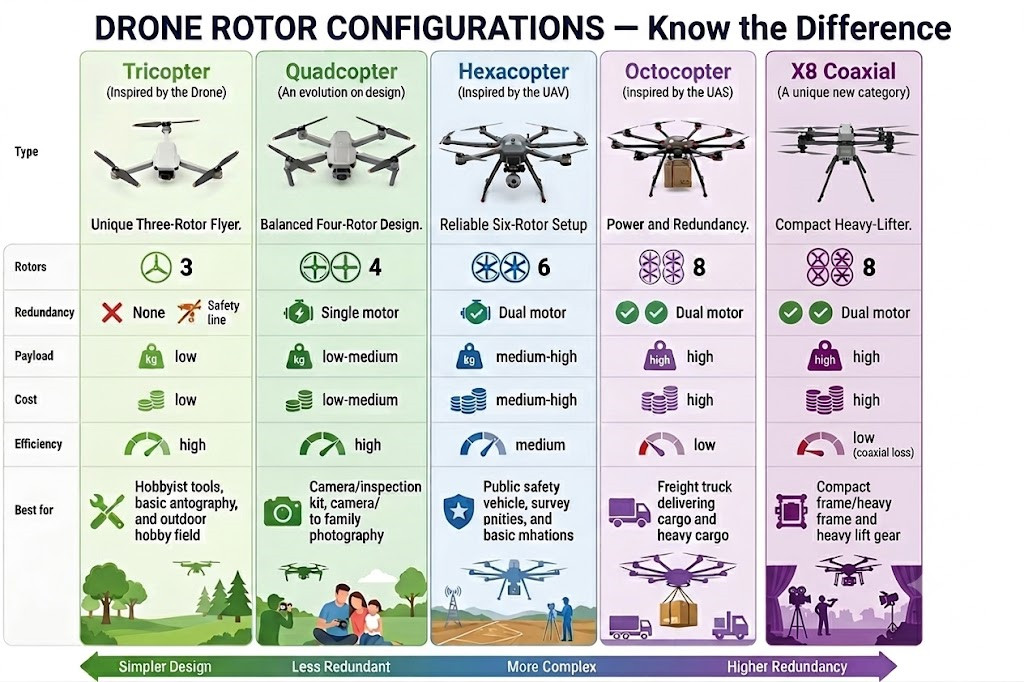
Drone rotor configurations

A Note on Efficiency

Here’s a counterintuitive truth: more rotors don’t always mean better.

Each additional motor adds weight (the motor itself, the ESC, the wiring). That extra weight needs to be lifted, which consumes power. As a result, hexacopters and octocopters are less efficient than quadcopters—they burn more battery to carry their own additional hardware.

So why would anyone choose a hexacopter or octocopter? Redundancy and payload. If you’re carrying a $30,000 cinema camera or flying over populated areas, the ability to survive a motor failure is worth the efficiency penalty. If you’re just flying for fun or shooting real estate photos, a quadcopter is probably the smarter choice.

Advantages of Multirotor Drones

Let’s be honest: if multirotors didn’t have some serious advantages, they wouldn’t be everywhere. From backyard hobbyists to industrial inspection teams, people choose multirotors for good reasons.

Here’s why.

Vertical Takeoff and Landing (VTOL) — No Runway Required

This is the single biggest advantage. A multirotor can take off and land vertically from almost anywhere—a boat deck, a truck bed, a balcony, a forest clearing. You don’t need a runway, a catapult, or a landing net.

For fixed-wing drones, launching and recovering is a production. You need open space, sometimes specialized equipment, and a crew. A multirotor? You just unfold the arms, plug in the battery, and go.

Real-world impact: A bridge inspection team can launch a multirotor from the bridge deck itself. A search and rescue team can deploy from a vehicle parked on a dirt road. A farmer can launch from the corner of a field. The operational flexibility is hard to overstate.

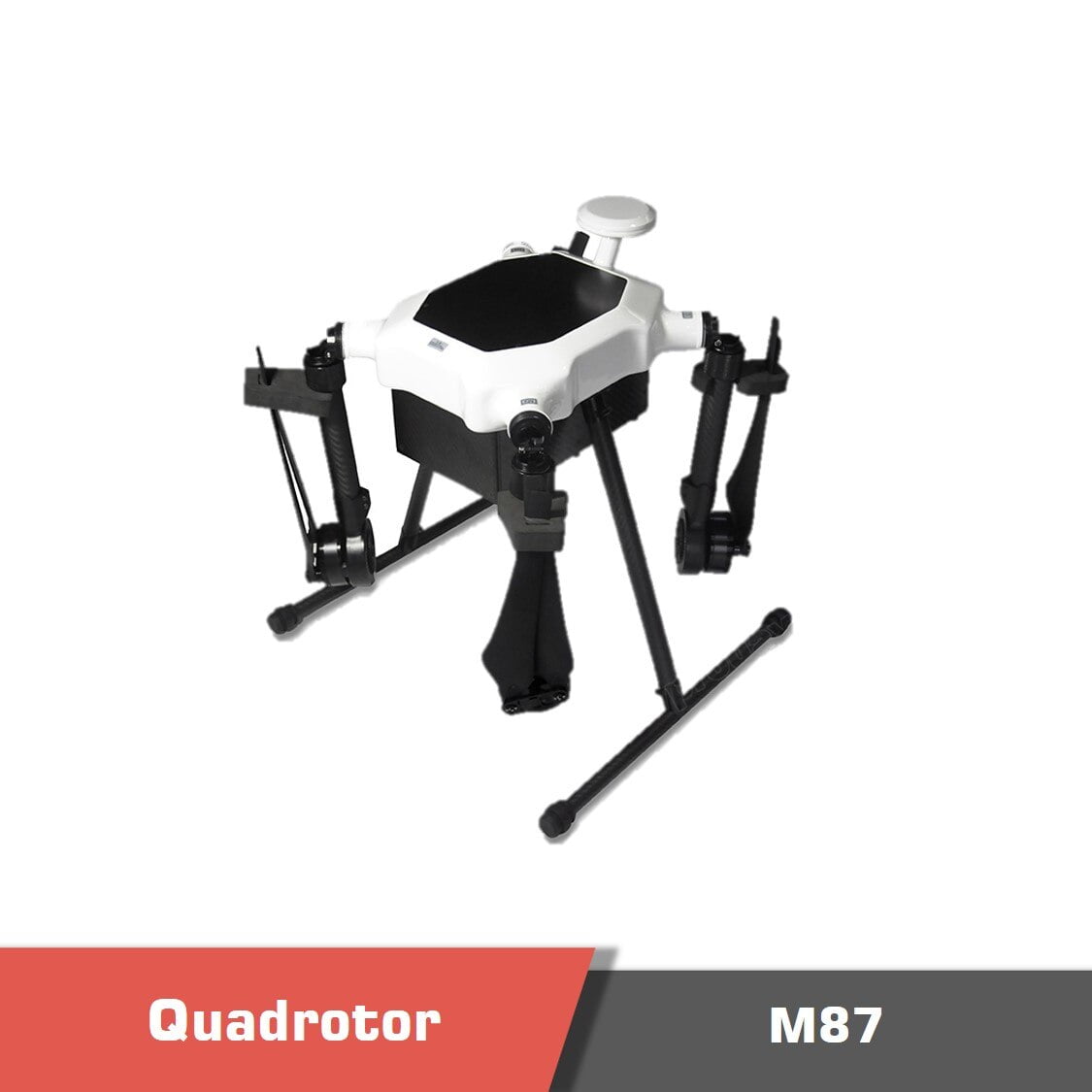
Important Notice! If your company intends to export UAV products from USA, it is necessary to comply with American regulations. Kratos Defense Drone Shop products cannot be used for military, terrorist, or war purposes. Please read our Terms of Service for more information. Key Features of the M87 Lightweight Quadrotor M87 lightweight quadrotor is a foldable and portable ultra light weight quadrotor Multirotor UAV with 850mm wheelbase. The 70min long endurance feature supports users to double the work efficiency while ensuring human safety.

18.5kg Multi Rotor UAV Composite Material Multirotor Drone Platform Easy To Operate

Buy M87 Lightweight Quadrotor Rotary-wing UAV Online

The use of many general-purpose components reduces product maintenance costs of this rotary-wing multirotor drone . It’s a preferred choice where low SWAP-C (Size, Weight, Power and Cost) without compromising performance is a key requirement. Design Features of Carbon Fiber Airframe Made of carbon fiber, the airframe is high strength while weight is only 1.2kgs. Integrated design provide a beautiful appearance while ensuring the IP44 water proof performance, can implement missions in light raining days. Foldable propellers and arms helps the aircraft to be portable, ease to carry and rapid deployment in 1 minute.

Multirotor Drones Market 2021: Global Industry Analysis Report

Buy M87 Lightweight Quadrotor Rotary-wing UAV Online

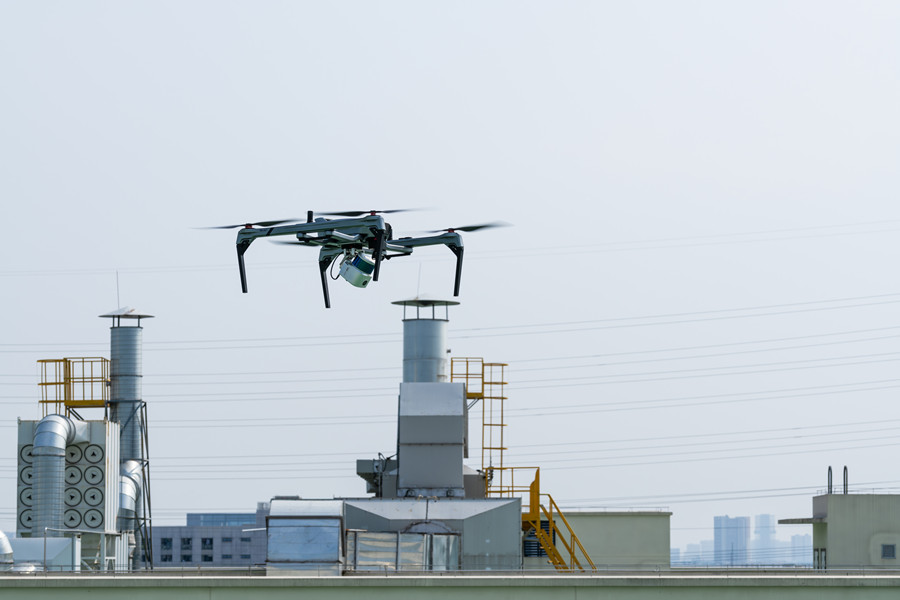
Overview of M87 Lightweight Quadrotor Drone System M87 is both light weight and highly efficient. With 2pcs 6s 27000mah semisolid HED Li-ion battery as power source, equipped with Hobby wing motors and props, M87 can carry max 5kgs payloads with stable flight performance. The flight time can reach 70minutes without payload and 55 minutes with 700g payload. The system is perfectly suitable for protection of sensitive industrial sites (such as oil & gas and chemical industry to monitor the oil tanks and oil refining equipment, pipelines and chemical plants), inspection and first respond.

rotary-wing drone - Praxis UAV

Buy M87 Lightweight Quadrotor Rotary-wing UAV Online

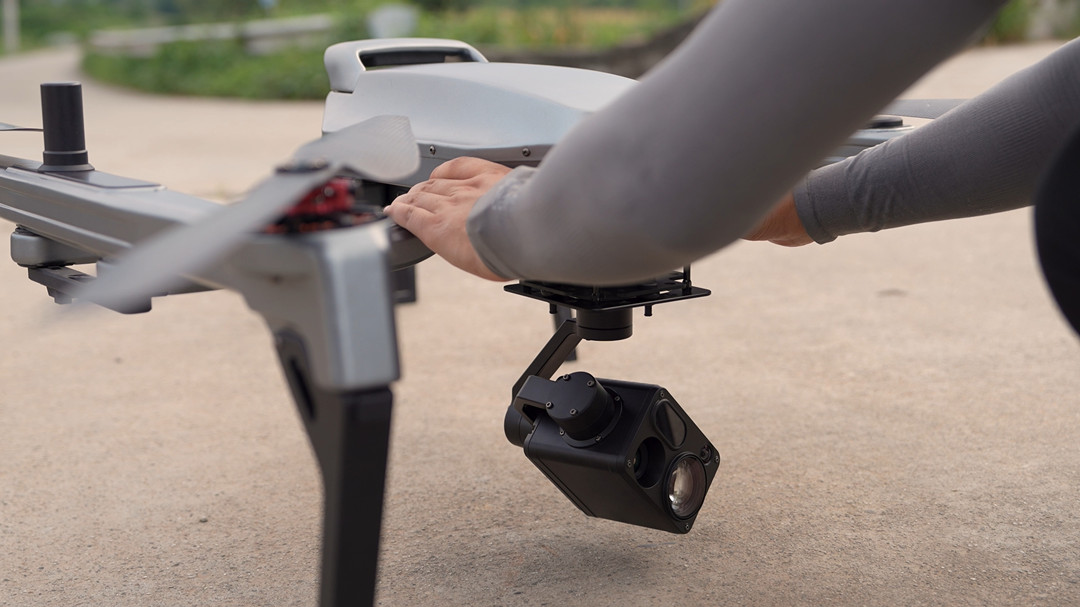
It can provide continuous monitoring while significantly reduced human intervention. Equipped with high-definition optical and thermal sensors and data link . M87 offers very precise aerial vision, day and night, which allows customers to enhance their safety while keeping operational costs low. For a comprehensive reading of related products, please visit the Kratos Defense Drone Shop website.

Multirotor Drone Ultimate Guide: Types, Specifications, Uses, Prices - JOUAV

Buy M87 Lightweight Quadrotor Rotary-wing UAV Online

FAQ – M87 Lightweight Quadrotor Rotary-Wing UAV 1. What are the key specifications of the M87 quadrotor? The M87 features an 850 mm wheelbase and an ultra-light 1.2 kg carbon-fiber airframe . It provides up to 70 minutes of endurance with low SWaP-C (Size, Weight, Power, and Cost), ideal for inspection, mapping, and research applications. 2. What design and protection features does it include? The M87 uses a fully integrated carbon-fiber structure with IP44 waterproof performance , enabling missions in light rain .
AMT - A multi-purpose, multi-rotor drone system for long-range and high-altitude volcanic gas plume measurements

Its foldable and portable design ensures quick deployment and reduced maintenance needs. 3. How does the M87 ensure operational reliability? It uses general-purpose electronic components and modular arm design , minimizing maintenance costs while maintaining high flight stability. The platform supports a wide range of autopilot and propulsion systems . 4. What payment methods are accepted for purchasing the M87? Kratos Defense Drone Shop accepts major credit cards, PayPal, and international bank transfers . Enterprise and government buyers can also request invoice-based payments for bulk or institutional orders.
 M87 Lightweight Quadrotor Rotary-wing UAV For Sale Online

 M87 Lightweight Quadrotor Rotary-wing UAV For Sale Online

5. Is OEM customization available for the M87 quadrotor? Yes. OEM and branding customization are available for qualified distributors and enterprise users, including frame color adjustment, labeling, and component integration . 6. Are documentation and warranty services provided? Each unit includes user manuals, technical specifications, and maintenance documentation . A manufacturer warranty is provided. Please note: Export of UAV products from USA must comply with American regulations , and Kratos Defense Drone Shop assists customers with licensing and compliance .

Hovering Capability — The Game-Changer for Precision Work

This is the advantage that fixed-wing drones simply cannot match. Multirotors can hover in place indefinitely (or at least until the battery runs out). They can hold a stable position in three-dimensional space while you inspect, photograph, or observe.
Why this matters:

  • Inspection: A multirotor can hover 2 meters from a wind turbine blade while the inspector examines every centimeter of surface. A fixed-wing drone would have to keep circling, making a detailed inspection impossible.
  • Photography: That perfect real estate shot? The drone was hovering exactly in position. The cinematic tracking shot of a moving car? The multirotor matched speed while hovering stably.
  • Surveillance: A multirotor can watch a specific area for extended periods without moving. Fixed-wing drones must fly patterns, constantly moving in and out of the target area.
  • Precision delivery: Medical supply deliveries often require hovering to lower a winch package. You can’t do that with a fixed-wing.
Buy M87 Lightweight Quadrotor Rotary-wing UAV Online

Buy M87 Lightweight Quadrotor Rotary-wing UAV Online

Superior Maneuverability in Confined Spaces

Multirotors can fly sideways and backwards, rotate on the spot, and navigate through spaces that would be impossible for fixed-wing aircraft.

A fixed-wing drone needs to bank and turn, requiring significant airspace. A multirotor can slip between buildings, fly through warehouse aisles, or navigate under bridges. This makes them ideal for indoor inspection, urban search and rescue, and any mission where the environment is tight.

The technical difference: A fixed-wing drone controls its path by banking—it tilts its wings to turn. This creates a turn radius. A multirotor controls its path by thrust vectoring—it can change direction almost instantly, with no turn radius at all.

Ease of Use — Low Barrier to Entry

Modern multirotors with GPS, obstacle avoidance, and automated flight modes are remarkably easy to fly. Even complete beginners can keep them stable with minimal training.

The numbers: According to the FAA, as of January 2023, 871,000 drones were registered, and 307,000 individuals were certified remote pilots. A large portion of these are multirotor operators. The learning curve is gentle compared to traditional aviation.

Compare to:

  • Single-rotor helicopters—require extensive training (often hundreds of hours) and are notoriously difficult to fly due to complex swashplate mechanics, gyroscopic precession, and tail rotor management.
  • Fixed-wing drones—are not necessarily “harder” to fly, but they require an understanding of flight dynamics, stall characteristics, and coordinated turns. They also need more space for takeoff and landing.

Mechanical Simplicity — Fewer Moving Parts

A multirotor’s mechanical design is elegantly simple. Fixed-pitch propellers. Direct-drive motors. No swashplates, no tail rotors, no complex linkages.
This simplicity translates to:

  • Lower maintenance—fewer things to break or adjust
  • Higher reliability—less mechanical complexity means fewer failure modes
  • Easier repair—if something breaks, you can often diagnose and fix it with basic tools

A traditional single-rotor helicopter has hundreds of moving parts in its rotor head alone. A multirotor has four or more motors and ESCs. That’s it.

Install RGB camera on the Ph-007

Buy M87 Lightweight Quadrotor Rotary-wing UAV Online

Portability — Backpack-Friendly

Most multirotors fold or break down into compact, manageable packages. A typical 5-inch quadcopter fits in a backpack. Even a professional hexacopter can be transported in a medium-sized case.

Fixed-wing drones, even when designed for portability, have larger footprints due to their wing spans. A fixed-wing drone with a 2-meter wingspan requires more careful handling and larger transport cases.

The trade-off: You trade endurance for portability. But for rapid response, field deployment, and daily operations, the ability to carry your entire system in one hand is a serious advantage.

Lower Cost of Entry and Operation

Multirotors are generally less expensive than equivalent fixed-wing drones, especially at the consumer and prosumer levels. Entry-level professional quadcopters start at a few thousand dollars, while fixed-wing drones with comparable specifications often start at $10,000–$15,000.

Operating costs are also lower:

  • Batteries are cheaper
  • Maintenance is simpler
  • Pilot training is faster
  • Launch and recovery equipment is minimal or nonexistent

Limitations of Multirotor Drones

Let’s be honest. Multirotors are popular for good reasons, but they’re not the right tool for every job. In fact, for many industrial and commercial applications, they’re the wrong tool.

Understanding these limitations is just as important as understanding the advantages. It’s what separates smart buyers from disappointed ones.

Here’s where multirotors struggle.

Short Flight Time — The Single Biggest Limitation

This is the elephant in the room. Multirotors have terrible flight endurance compared to almost every other aircraft type.

The numbers: A typical multirotor drone with a lightweight camera payload flies for 20 to 30 minutes on a single battery. Some premium systems stretch to 40–60 minutes, but that’s the exception, not the rule. Heavy-lift multirotorscarrying significant payloads often see flight times drop to 15–25 minutes.

Why is flight time so short?

  • No aerodynamic lift: A multirotor generates lift purely from rotor thrust, not from wings. It must constantly burn energy just to stay airborne, unlike a fixed-wing aircraft that glides efficiently once in motion.
  • Battery energy density: Current battery technology has relatively low energy density, and batteries themselves are heavy. A significant portion of a multirotor’s weight is its battery, and that weight stays constant throughout the flight, requiring continuous power to carry it.
  • High power consumption: Multirotors require frequent, rapid throttle changes to maintain stability, which drains batteries quickly.

Real-world impact: A 25-minute flight time means you can only inspect a few kilometers of pipeline, map a small area, or conduct a brief search before you need to land, swap batteries, and take off again. For large-scale operations, this adds significant time, labor, and cost.

The comparison: A fixed-wing drone with the same battery can fly 2 to 5 times longer — often 2–4 hours or more. A hybrid gas-electric multirotor can achieve 5+ hours, but these are expensive and complex.

Payload vs. Flight Time Trade-Off

This is the single most important relationship to understand: every gram of payload reduces flight time.

A multirotor carrying 6 kg of payload might fly only 15–20 minutes versus 40+ minutes empty. The trade-off is brutal: the more capable the payload, the shorter the mission.

The efficiency math is counterintuitive. Adding more rotors increases lifting capacity, but each extra motor adds weight that must be lifted. A hexacopter has 50% more components than a quadcopter, but it doesn’t fly 50% longer — often shorter, because the extra weight cancels efficiency gains.

Real-world data shows the pattern clearly:

Platform Payload Empty Flight Time Loaded Flight Time
JOUAV PH-20 10 kg 100 min 55 min
Draganfly Heavy Lift 30 kg 46 min 23 min
Acecore Noa 3 kg 80 min 40 min

The practical impact: If your mission requires heavy sensors—LiDAR, multispectral, or thermal—you face a difficult choice. Use a hexacopter or octocopter with lifting capacity but shorter flight time, or use a smaller quadcopter with longer flight time but limited payload. Neither is ideal.

PH-20 Large payload Multi-rotor UAV

Buy M87 Lightweight Quadrotor Rotary-wing UAV Online

For missions requiring both high payload and long endurance, multirotors often fall short. This is precisely why hybrid and fixed-wing platforms exist.

Limited Range and Coverage Area

Short flight time directly translates to limited range and coverage.

A typical multirotor has a maximum operational range of 10–20 kilometers round trip. In practice, for safety and battery reserve, most missions stay within 5–10 kilometers of the launch point.

Coverage comparison:

  • A multirotor mapping a 500-hectare area might need 10–20 separate flights, each requiring a battery swap and relaunch.
  • A fixed-wing drone can cover the same area in one or two flights.

The math: If each multirotor flight takes 30 minutes (including setup and battery swap), covering 500 hectares could take 5–10 hours of field time. A fixed-wing drone might finish in under 2 hours.

Poor Energy Efficiency

Multirotors are fundamentally inefficient aircraft.

Why? A fixed-wing drone generates lift from its wings—it doesn’t need to burn energy to stay aloft once it’s moving. A multirotor, on the other hand, spends a significant portion of its energy fighting gravity.

The efficiency gap: Studies show that multirotors are the least energy efficient of all UAV types. Fixed-wing drones are the most energy-efficient. This isn’t a minor difference — it’s an order of magnitude.

What this means for operators: Every kilometer flown, every minute in the air, costs more battery power. For missions requiring long transit distances between inspection points, much of the battery is wasted just getting there and back.

Slow Cruise Speed

Multirotors are not fast. Typical cruise speeds are 15–25 mph (25–40 km/h). Fixed-wing drones cruise at 40–60 mph (65–100 km/h).

Why this matters: If you need to cover distance quickly — for search and rescue, emergency response, or rapid reconnaissance — a multirotor will take significantly longer to reach the target area. Every minute counts in emergencies.

Weather Sensitivity

Multirotors are notoriously sensitive to wind.

Why? A multirotor maintains stability by constantly adjusting rotor speeds. Strong or gusty winds require the flight controller to work harder, draining the battery faster and potentially exceeding the drone’s control authority.

The practical limits: Most consumer and prosumer multirotors are rated for winds of 15–25 km/h (about 10–15 knots). Beyond that, flight stability degrades, and the risk of losing control increases significantly.

Wind also affects range and endurance: Flying against a headwind consumes significantly more battery than flying with a tailwind. In gusty conditions, the drone may struggle to maintain position, especially during hovering tasks like inspection or photography.

Temperature is another factor: Cold temperatures reduce battery performance, and hot temperatures can cause overheating. Multirotors are less tolerant of extreme conditions than larger, more robust fixed-wing platforms.

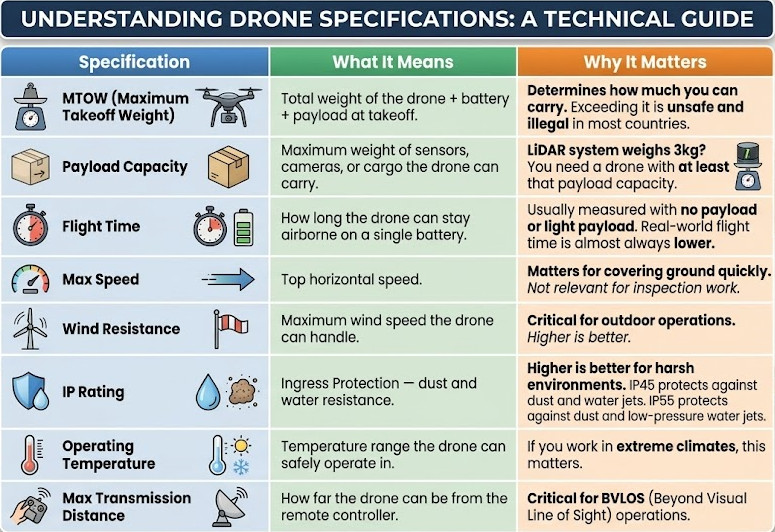
Multirotor Drone Specifications

When you start shopping for a multirotor drone, you’ll see a wall of numbers: MTOW, payload capacity, flight time, wind resistance, IP rating. It’s easy to get lost.

Here’s what actually matters — and what those numbers mean in the real world.

Key Specifications — A Quick Glossary

Before we dive into specific models, let’s define the terms you’ll see everywhere.

Multirotor drone specifications

Real-World Specifications — Popular Models Compared

Here’s how some of the most popular multirotor platforms stack up on paper. The numbers tell a story about what each platform is designed to do.

Reviews (0)

Reviews

There are no reviews yet.

Be the first to review “Buy M87 Lightweight Quadrotor Rotary-wing UAV Online”

Your email address will not be published. Required fields are marked *

Shipping and Delivery

MAECENAS IACULIS

Vestibulum curae torquent diam diam commodo parturient penatibus nunc dui adipiscing convallis bulum parturient suspendisse parturient a.Parturient in parturient scelerisque nibh lectus quam a natoque adipiscing a vestibulum hendrerit et pharetra fames nunc natoque dui.

ADIPISCING CONVALLIS BULUM

  • Vestibulum penatibus nunc dui adipiscing convallis bulum parturient suspendisse.
  • Abitur parturient praesent lectus quam a natoque adipiscing a vestibulum hendre.
  • Diam parturient dictumst parturient scelerisque nibh lectus.

Scelerisque adipiscing bibendum sem vestibulum et in a a a purus lectus faucibus lobortis tincidunt purus lectus nisl class eros.Condimentum a et ullamcorper dictumst mus et tristique elementum nam inceptos hac parturient scelerisque vestibulum amet elit ut volutpat.